Liberal Arts and Sciences

Biological Sciences (Biology and Society), BS
The Bachelor of Science program in biological sciences with a concentration in biology and society focuses on training biology students to understand the social context of their science and to ask how and why a biological problem has been and should be studied. Students explore the ways in which policy decisions shape and are shaped…

Biological Sciences (Biomedical Sciences), BS
The biomedical sciences concentration serves students in the Bachelor of Science program in biological sciences who wish to pursue careers in medicine, other health professions or biomedical research in academic, clinical or industry settings. The curriculum aligns with the broad scientific competencies recommended for premedical students in a report of the American Medical Colleges and…

Biological Sciences (Conservation Biology and Ecology), BS
Ecology is the study of the distribution and abundance of organisms, the interactions among organisms, and the interactions between organisms and the physical environment. Conservation biology is an applied science based on ecological principles that focuses on conserving biological diversity and on restoring degraded ecosystems. Arizona State University is committed to a more sustainable world…

Biological Sciences (Genetics, Cell and Developmental Biology), BS
The Bachelor of Science program in biological sciences with a concentration in genetics, cell and developmental biology integrates the study of three exciting, closely related areas of life science research. Genetics examines the blueprints of life, such as DNA sequence and gene expression, while cell biology studies the machinery of life enclosed within the boundaries…

Biological Sciences (Neurobiology, Physiology and Behavior), BS
In the Bachelor of Science program in biological sciences with a concentration in neurobiology, physiology and behavior, students discover how animals — including humans — function, think and behave. Students investigate molecular and cellular processes and the function of organismal systems, including neural, muscular, cardiovascular, respiratory, renal and digestive. They explore ecological and evolutionary influences…
Biophysics, BS
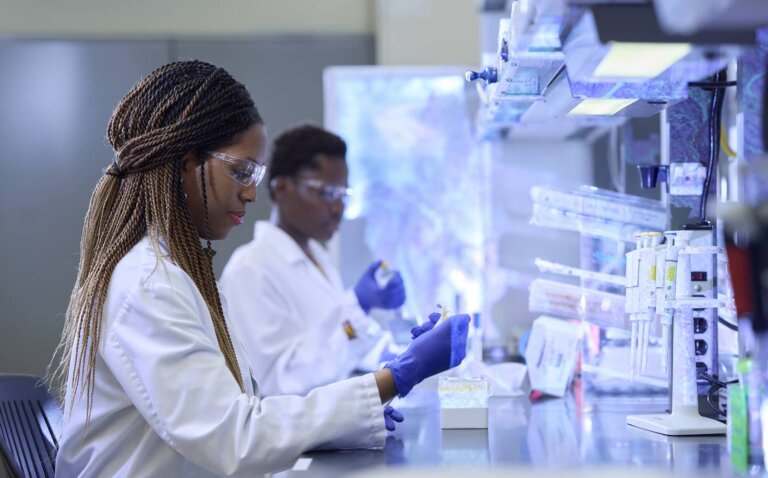
The Bachelor of Science program in biophysics uses the methods and theories of physics to study biological systems. This includes gaining a working understanding of principles that govern all scales of biological organization, from molecular processes of life to organisms and ecosystems. Students are exposed to novel learning methods and laboratory experiences, with additional opportunities…

Chemistry, BA
Students in the Bachelor of Arts program in chemistry take a wide range of courses that prepare them to take on important problems using atomic and molecular level thinking in areas as diverse as energy and sustainability, new materials, medicine and health, nanoscience, environmental science, forensics, cosmetics and food chemistry, patent law, sales and marketing….

Communication, BA
The Bachelor of Arts program in communication focuses on how message processes create, maintain and transform identities, relationships, workplaces and communities. This program provides a culturally based liberal arts focus with a second language requirement. Such courses and activities allow students to explore many fascinating questions, such as how messages can optimally advocate for a…

Communication, BS
The Bachelor of Science program in communication focuses on how message processes create, maintain and transform identities, relationships, workplaces and communities. This degree program provides a liberal arts grounding and a social science focus. Such courses and activities allow students to explore many fascinating questions, such as: In what ways can messages convince people to…

Culture, Technology and Environment, BA
The Bachelor of Arts program in culture, technology and environment is a collaborative program offered by the humanities division in The College of Liberal Arts and Sciences. Students take a humanistic approach to address issues surrounding: culture: approaching equitable and diverse global citizenship through the study of culture and language environment: addressing climate change, biodiversity…